


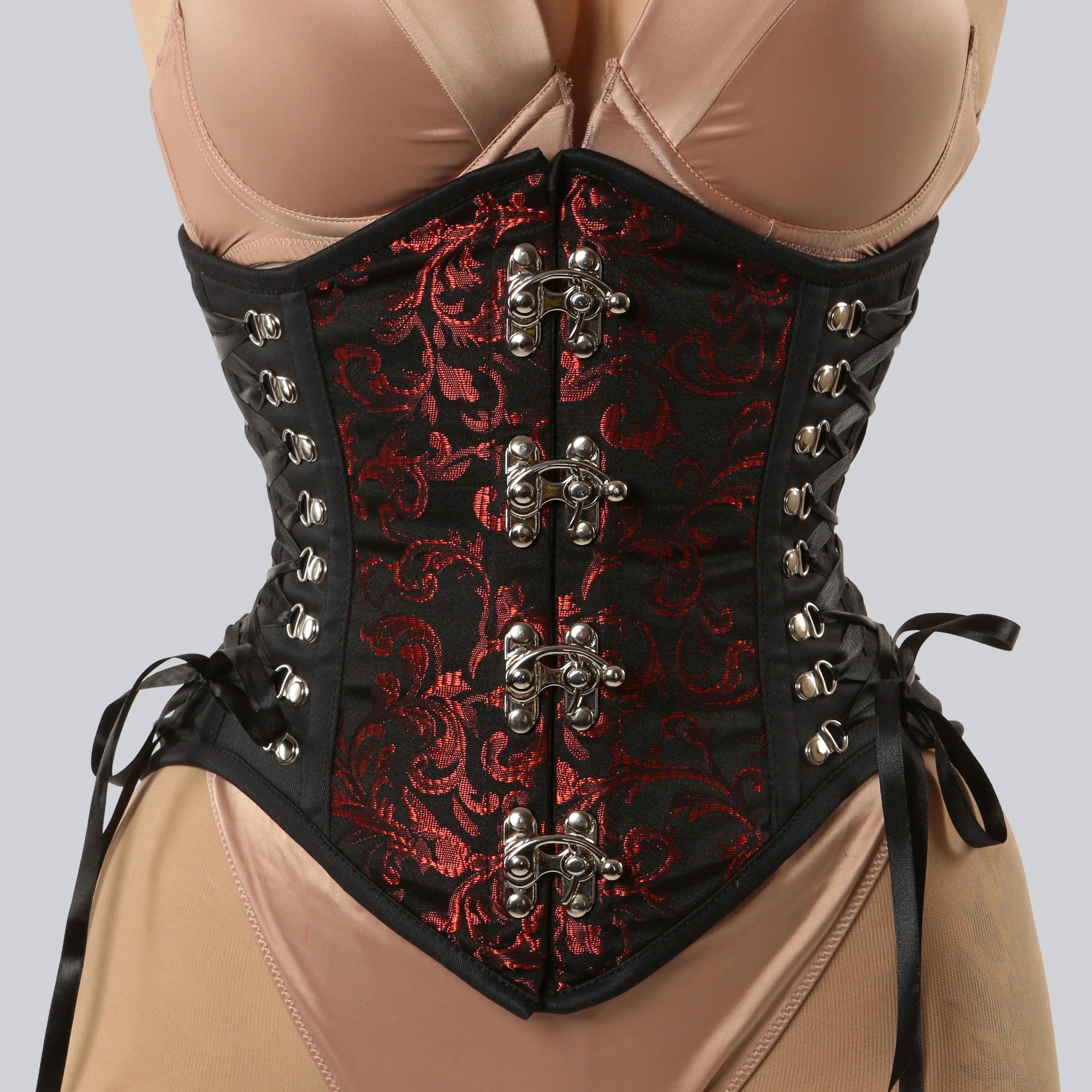


Wearing a waist trainer while working out may help improve posture, increase sweating, and support better core engagement during exercise. As waist trainers for exercise continue gaining popularity, many fitness enthusiasts turn to them for added support and enhanced waist training while working out. These benefits from improved form to a more defined midsection make waist trainers a common workout accessory. However, results depend on choosing the right waist trainer for your fitness routine and using it safely to avoid potential risks. This guide explores the key benefits, safety tips, and best practices for wearing a waist trainer during workouts.
-
Real-World Example: Many beginners notice improved posture during workouts as early as the first week, especially during squats and planks.
- Pro Tip: If you’re unsure about the right waist trainer, it's useful to understand the difference between a corset and a waist trainer to find the best option for your fitness goals.
How Does a Waist Trainer Work During Exercise?
A waist trainer works during exercise by applying firm compression around the midsection, which helps stabilize the core, support posture, and enhance abdominal engagement. This compression keeps your torso aligned and encourages proper form throughout different types of workouts.
Here’s how a waist trainer functions during exercise:
- Improves core support: Keeps abdominal muscles active, helping you maintain core stability during strength and cardio exercises.
- Encourages better posture: Helps align the spine and shoulders, promoting proper posture during squats, lunges, and other movements.
- Supports the lower back: Reduces lower back strain during strength training, improving stability and reducing the risk of injury.
- Keeps the core engaged: Promotes consistent abdominal compression, helping to maintain muscle engagement over time.
-
Helps maintain form: Supports body alignment and correct posture, enhancing exercise performance during cardio and high-intensity workouts.
Wearing a waist trainer for exercise supports your back and abdominal area, making it easier to maintain proper technique during weightlifting, HIIT, or cardio sessions. Whether you're performing heavy lifts or endurance training, the compression helps keep your body aligned while supporting the midsection throughout your workout.
- Trainer Tip: Think of a waist trainer like a soft posture brace it reminds your core to stay tight, especially when fatigue sets in. To use a waist trainer corset for a slimmer waist, make sure it fits comfortably and supports your movements, helping you achieve better results in your fitness journey.
Benefits of Wearing a Waist Trainer While Working Out

There are several benefits to wearing a waist trainer during your workout, ranging from improved posture to enhanced abdominal definition.
Improved Posture and Core Support
One of the most significant benefits of wearing a waist trainer for fitness goals is its ability to improve posture. By supporting the spine and increasing core engagement, a waist trainer helps maintain proper alignment during strength training, HIIT, and other high-intensity movements. This often leads to better form and may reduce the risk of injury during workouts.
- Real-World Example: Many lifters report that a waist trainer makes them more aware of slouching during deadlifts and overhead presses
Increased Sweating and Weight Loss
Wearing a compression waist trainer during intense cardio sessions can increase heat around the midsection, promoting more sweating. This can lead to temporary water weight loss and a more toned appearance after consistent use. While this doesn't mean fat burning happens directly, the increased perspiration can make workouts feel more effective.
- Doctor Note: Sweating more does not equal fat loss. True fat loss depends on calorie expenditure, diet, and consistent training.
Enhanced Abdominal Definition
A slimming waist trainer can also contribute to improved waist definition when combined with regular exercise and a healthy diet. Over time, the targeted compression may support the appearance of a more defined waistline and help create a subtle hourglass shape.
- Pro Tip: Use a waist trainer during exercises that target the core, such as walking lunges or stair climbing, for better visual results.
Is It Safe to Wear a Waist Trainer While Working Out?
While waist trainers offer many workout benefits, it’s important to understand the safety considerations before using one regularly.
Risks of Wearing a Waist Trainer During Intense Exercise
Wearing a waist trainer during exercise can cause discomfort if it’s too tight or not fitted correctly. A waist trainer that restricts breathing or feels overly tight can interfere with your workout performance. In some cases, overuse may lead to digestive discomfort or limited mobility during certain movements. This is why choosing a comfortable waist trainer for working out is essential, ensuring you can breathe properly and move without restriction.
-
Safety Warning: If you ever feel lightheaded, short of breath, or experience sharp discomfort, remove the waist trainer immediately.
For more insight into the potential risks of wearing waist trainers (and other corsets) regularly, you can check out our blog on is it safe to wear corsets every day, where we explore the long-term effects of continuous corset use and offer guidance on how to wear them safely.
How to Avoid Injury While Wearing a Waist Trainer
To stay safe, make sure your waist trainer fits snugly but not tightly enough to cause pain. It should support your midsection while still allowing natural breathing and movement. Start with shorter wear times during workouts and gradually increase the duration as your body adjusts. Always remember that a waist trainer is a supportive waist shaper, not a replacement for proper form or good technique during exercise.
- Physiotherapist Advice: Always brace your core naturally first. The waist trainer should support your engagement, not replace it.
Choosing the Right Waist Trainer for Your Workouts

Finding the right waist trainer is crucial for maximizing your workout results and ensuring comfort during exercise.
Material Matters – Choosing the Right Waist Trainer Fabric
Waist trainers come in a variety of materials, each offering unique benefits. Latex waist trainers for exercise are widely popular because they provide strong compression, durability, and flexibility, making them ideal for strength-focused routines. In contrast, neoprene waist trainers for workouts are designed to be breathable and sweat-wicking, which helps keep the midsection warm while allowing airflow during intense cardio sessions. When choosing the material, think about your exercise type and your personal comfort preferences so you get the right level of support without compromising movement.
- Pro Tip: If you sweat heavily or live in a hot climate, neoprene waist trainers are usually more comfortable for longer workouts.
Waist Trainer Styles for Different Exercises
Not all waist trainers work the same for every workout. If you're into heavy lifting or strength training, a waist trainer for squats and weightlifting can provide the extra back support needed to maintain proper form. For cardio-based routines, it’s better to choose a breathable waist trainer that offers flexibility, comfort, and ease of movement. Whether your goals involve improving posture, increasing sweat, or shaping the waist, make sure the waist trainer style aligns with your specific workout needs.
-
Real Example: Runners often prefer slimmer, flexible waist trainers, while lifters benefit from firmer, structured designs.
If you're unsure about the right fit for your waist trainer, it’s important to consider proper corset sizing, which will help ensure maximum comfort and effectiveness during your workouts.
How to Wear a Waist Trainer During Workouts – Tips and Best Practices
Proper usage plays a major role in getting the most out of your waist trainer. Understanding how long to wear it and how it should feel during different types of workouts will help you exercise safely and effectively.
How Long Should You Wear a Waist Trainer While Working Out?
The ideal duration for wearing a waist trainer during exercise depends on your workout intensity and experience level. If you're just starting out, begin with 20–30 minutes to allow your body to adjust to the compression. As you get more comfortable, you can gradually increase the duration, but always listen to your body and avoid wearing it for longer than feels comfortable.
- Beginner Example: Week 1: 20 minutes. Week 2: 30 minutes. Week 3: 40 minutes only if it feels comfortable.
Waist Trainer for Cardio vs Strength Training
For cardio sessions, a sweat-enhancing waist trainer can increase heat around the core and promote more perspiration. However, during strength training, it’s better to use a waist trainer that offers core support for exercise, helping stabilize the spine and maintain proper posture during movements like squats, lunges, and deadlifts.
- Trainer Advice: During lifting, focus on breathing, inhale on the way down, exhale on the way up, even while wearing the trainer.
Maintaining Comfort and Flexibility While Wearing a Waist Trainer
Your waist trainer should never restrict movement or breathing during your workout. The best waist trainers for strength training allow full mobility, especially for dynamic movements. Make sure the trainer fits snugly without feeling overly tight, giving you enough flexibility to move comfortably through every exercise.
- Pro Tip: If you can’t comfortably bend sideways or rotate your torso, your waist trainer is too tight.
Common Mistakes to Avoid When Wearing a Waist Trainer During Workouts

Avoiding common mistakes is essential for maximizing your waist training results and ensuring a comfortable, safe workout experience.
Not Choosing the Right Size Waist Trainer
Wearing a waist trainer that is too tight or too loose can cause discomfort and reduce its effectiveness. A proper fit is key, so take accurate measurements and choose a waist trainer that matches your body type. The right size will support your core without restricting movement or breathing.
- Real Mistake Example: Many beginners choose a smaller size thinking it will create faster results that actually slows progress.
Over-Wearing a Waist Trainer
Although waist trainers can help with posture and waist definition, wearing them for too long can lead to restricted movement, discomfort, or even muscle fatigue. Always listen to your body and avoid wearing the trainer beyond a comfortable duration. Remember, a waist trainer should support your workout not replace proper form or natural core engagement.
- Safety Note: More hours ≠ more results. Overuse weakens the core instead of strengthening it. For a guide on how to wear a waist trainer properly and avoid common mistakes, think about lacing up right, just like you would with a corset, getting the right fit and tension is crucial for both comfort and results.
Can a Waist Trainer Replace Regular Exercise?
No, waist trainers for belly fat and exercise are meant to work together not in place of one another. A waist trainer can support your posture, increase sweating, and help shape the waist, but it cannot replace the benefits of regular workouts. Long-term fitness results, muscle development, and fat loss still require consistent exercise and a balanced routine. Waist trainers should be viewed as an accessory that enhances your workout, not as a substitute for it.
- Fitness Expert Insight: Movement builds muscle. Waist trainers cannot activate or replace muscle function; they only support posture.
Will Wearing a Waist Trainer While Working Out Help With Postpartum Recovery?

Wearing a waist trainer during postpartum recovery may help provide gentle abdominal support and encourage better posture as the body heals. While a waist trainer can offer added stability to the midsection, it should always be paired with safe, doctor-approved post-pregnancy exercises for the best results. Waist trainers can complement the recovery process, but they should never replace proper postpartum care or core-strengthening routines.
- Doctor Disclaimer: Always consult your OB-GYN or physiotherapist before using any compression garment after childbirth.
Waist Trainer for Men – Does It Work the Same Way?
Yes, waist trainers can work for men as well. The waist trainer benefits for men are very similar to those for women, including improved posture, better core support, and enhanced stability during workouts. Men often find waist trainers especially helpful during weightlifting and strength training, where maintaining proper form is essential. While the core function remains the same, individual results depend on consistent training and choosing the right waist trainer for fitness goals.
- Example: Many male bodybuilders use waist trainers to brace their core during heavy compound lifts like squats and bench presses.
How to Choose a Waist Trainer for Your Body Type and Fitness Goals

When choosing a waist trainer, it’s important to consider both your body type and your specific fitness goals. If your focus is reducing belly fat, look for a trainer that offers firm, even compression around the midsection. If your goal is to improve posture or support your core during workouts, choose a waist trainer designed with structured support. Selecting the right style ensures the trainer works effectively for your unique body shape and desired results.
Body Type Example:
- Short torso = choose a shorter waist trainer.
- Long torso = full-coverage style offers better shaping.
Can Wearing a Waist Trainer Cause Any Long-Term Health Issues?
Long-term use of waist trainers can potentially lead to issues such as restricted breathing, weakened core muscles, or muscle atrophy if the waist trainer is worn too tightly or too often. To avoid these complications, it’s essential to use waist trainers as part of a balanced fitness routine rather than relying on them as a constant accessory. Proper usage, moderation, and regular core-strengthening exercises help reduce any long-term risks.
- Doctor Advice: Never sleep in a waist trainer this increases the chance of breathing restriction and diaphragm pressure. For more information on the potential risks of wearing waist trainers while sleeping, check out whether sleeping with a waist trainer is safe to ensure you're using your waist trainer correctly and safely.
How to Combine Waist Training with a Balanced Diet for Maximum Results

Waist training delivers the best results when paired with a healthy, balanced diet and consistent exercise. Eating nutrient-dense foods while wearing a waist trainer helps support your metabolism, improve core strength, and enhance overall workout performance. When you combine waist training with proper nutrition and movement, you’re more likely to see faster progress toward your fitness goals and maintain those results long-term.
- Pro Tip: Hydration matters, waist trainers increase sweating, so drink water before and after workouts. If you’re wondering do waist trainers work, it’s essential to remember that they complement a healthy lifestyle, but true long-term results come from consistency and balance.
Best Waist Trainer Brands for Working Out – A Buyer’s Guide
Some of the top brands offering high-quality waist trainers for workouts include Corsets Island, corset for waist training, and body sculpting corsets. These brands are recognized for their durability, comfort, and reliable performance during different types of exercise. Whether you’re looking for strong compression for strength training or flexible support for cardio, Corsets Island provides waist trainers designed to meet a wide range of fitness needs.
- Why Corsets Island Stands Out: Premium materials, strong stitching, excellent fit, and designs made specifically for active workouts.
Real-Life Success Stories – How Waist Trainers Have Helped People During Workouts
Many users have experienced noticeable improvements while using waist trainers during their workouts, achieving real results from waist trainers during exercise routines. People often report better posture, increased core engagement, and a more defined waistline after consistent use. These success stories show how adding a waist trainer to a balanced fitness routine can support confidence, motivation, and overall workout performance.
- Real Example: One user reported improved squat form within two weeks and a visually slimmer waist after one month of consistent training.
Real Results – Can Wearing a Waist Trainer While Working Out Help You Achieve Your Fitness Goals?
Wearing a waist trainer during exercise can support your fitness goals by improving posture, increasing core engagement, and enhancing workout intensity. However, it’s important to understand that a waist trainer works best when paired with regular exercise and a healthy diet. Consistency, proper training, and balanced nutrition will deliver the most noticeable and long-lasting results.
- Expert Tip: Track progress weekly with photos waist trainers often show results more visibly than on the scale.
Conclusion
In conclusion, wearing a waist trainer while working out can deliver several benefits, including improved posture, better core engagement, and increased sweating during exercise. Still, choosing the right waist trainer and using it properly is essential. Waist trainers should complement your workouts not replace regular exercise or healthy habits. Consistency, balance, and proper technique remain the key to achieving your fitness goals.
Ready to experience the benefits for yourself? Explore the Corsets Island collection of waist trainers designed for different fitness goals, body types, and workout styles. Find your perfect fit today and start enhancing your workout results with confidence.
Frequently Asked Questions (FAQS)
Does a Waist Trainer Help with Weight Loss During Workouts?
A waist trainer can increase sweating during workouts, which may reduce water weight temporarily. However, lasting weight loss still requires regular exercise and a healthy diet.
Is It Safe to Wear a Waist Trainer While Exercising?
Yes, it can be safe if worn correctly. Choose a comfortable fit, avoid overly tight trainers, and ensure you can breathe and move freely during all exercises.
How Tight Should a Waist Trainer Be for Optimal Results?
A waist trainer should feel snug but never painful. It must support your core without restricting breathing or movement. If it feels too tight, loosen or size up.
Can Waist Trainers Be Worn for Every Workout, or Are There Specific Exercises to Avoid?
Waist trainers work well for cardio and strength training, but avoid exercises needing deep bending or extreme flexibility, as compression may limit safe movement.
How to Choose a Waist Trainer for Your Body Type and Fitness Goals?
Choose one based on your body shape and goals firmer compression for waist shaping, flexible designs for workouts, and breathable materials for everyday comfort.
What Are the Best Types of Waist Trainers for Working Out?
Latex trainers offer strong compression for shaping, while neoprene trainers boost sweat and comfort. Pick a style that supports your workout type and movement needs.
Can Wearing a Waist Trainer Improve Posture During Workouts?
Yes, a waist trainer can support your spine and help maintain better posture by keeping your core engaged. It encourages alignment during lifts and cardio routines.


