



How to Put On a Corset Properly (Step-by-Step Guide)
Corsets are no longer just historical garments. Today, people wear corsets for waist shaping, posture support, and fashion styling. However, many beginners struggle with fit, tightening, and comfort, which often leads to discomfort or poor results.
A corset is a structured garment designed to shape the waist and support the torso. When worn correctly, it can enhance natural curves, encourage better posture, and add structure to outfits. Based on fitting experience and feedback from corset wearers, most problems come from choosing the wrong size or tightening too quickly.
This guide shows you exactly how to put on a corset properly, how tight it should be, what to wear under it, and how to stay comfortable and safe.
How to Put On and Lace a Corset Properly (Step-by-Step)
Wearing a corset correctly is the foundation of comfort and effectiveness. Always lace slowly and evenly.
Steps to wear a corset properly
- Measure your natural waist: Find the smallest part of your waist, usually just above the belly button. Measure snugly, not tightly.
- Loosen the laces completely: Before putting on your corset, loosen the back laces to create enough room to fit comfortably.
- Position the corset and fasten the front busk: Wrap the corset around your torso, center it, and close the front clasps from top to bottom.
- Tighten the laces gradually: Start pulling from the waist loops, then adjust the top and bottom evenly. Never yank or force the corset closed.
- Check comfort and breathing: The corset should feel snug and supportive, not painful. You should be able to breathe and sit comfortably.
A properly worn corset feels firm but not restrictive. Gentle pressure around the waist and ribs is normal. Sharp pain, numbness, or shortness of breath means the corset is too tight and should be loosened.
Corset Fit and Sizing Guide (How to Choose the Right Corset)
Choosing the right corset size is the most important step for safety, comfort, and results.
Measure your natural waist carefully and use this number when selecting your corset. For waist training, most wearers choose a corset about four inches smaller than their natural waist. This allows shaping while leaving room for gradual adjustment. For more detailed measuring instructions and sizing support, you can refer to our corset sizing guide to ensure accuracy.
When wearing a waist training corset for the first time, a three-to-four-inch back gap is normal. As your body adapts, this gap may slowly reduce.
If you are wearing a corset mainly for fashion, consider choosing a slightly larger size. This allows the corset to close more fully and feel more relaxed.
A well-fitted corset should sit smoothly against your body, stay centered, and support your waist without digging into your ribs or hips.
Different Types of Corsets and What They’re Used For
Not all corsets serve the same purpose. Choosing the right type improves both comfort and results.
- Overbust corsets cover the torso and bust. They provide strong support, help improve posture, and can be worn as outerwear.
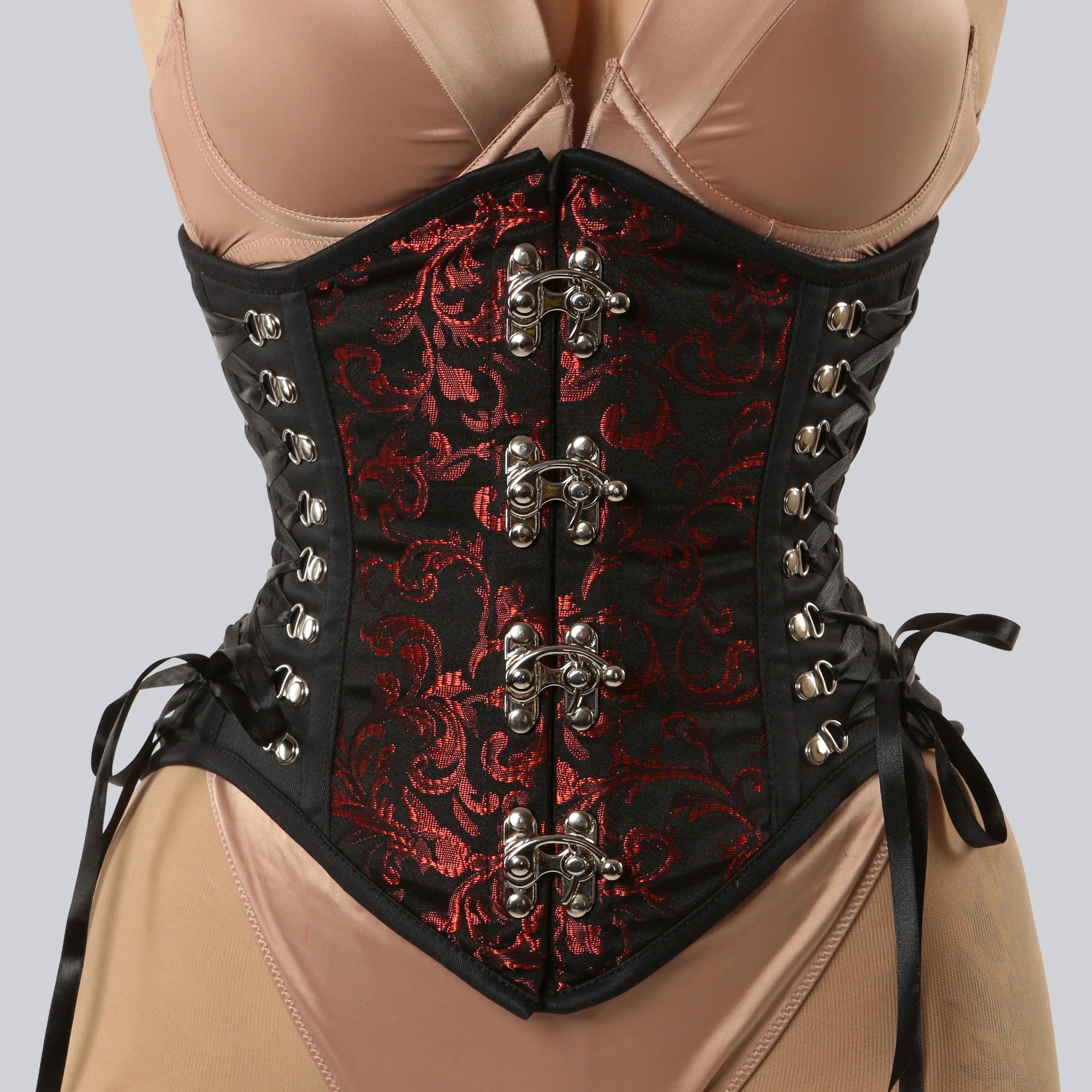
- Underbust corsets sit below the bust and focus on shaping the waist. They are popular for waist training and are often easier for beginners to wear.
- Steel-boned corsets offer firm structure and durability. They are commonly used for waist training and long-term shaping.
- Plastic-boned corsets are lighter and more flexible. They are better suited for fashion wear and casual comfort.
- Waist training corsets are designed to gradually shape the waist over time, offering consistent compression and torso support.
What to Wear Under a Corset for Comfort and Protection
Wearing the right layer under your corset improves comfort, hygiene, and skin protection.
- Corset liners create a soft barrier between your skin and the corset, reducing friction and absorbing moisture. They are strongly recommended for long wear.
- Seamless bras or bustiers help prevent rubbing and create smoother lines under clothing.
- Light shapewear can provide added comfort and help your corset sit more evenly.
The right undergarments make corsets easier to wear for longer periods and help extend the life of the garment.