


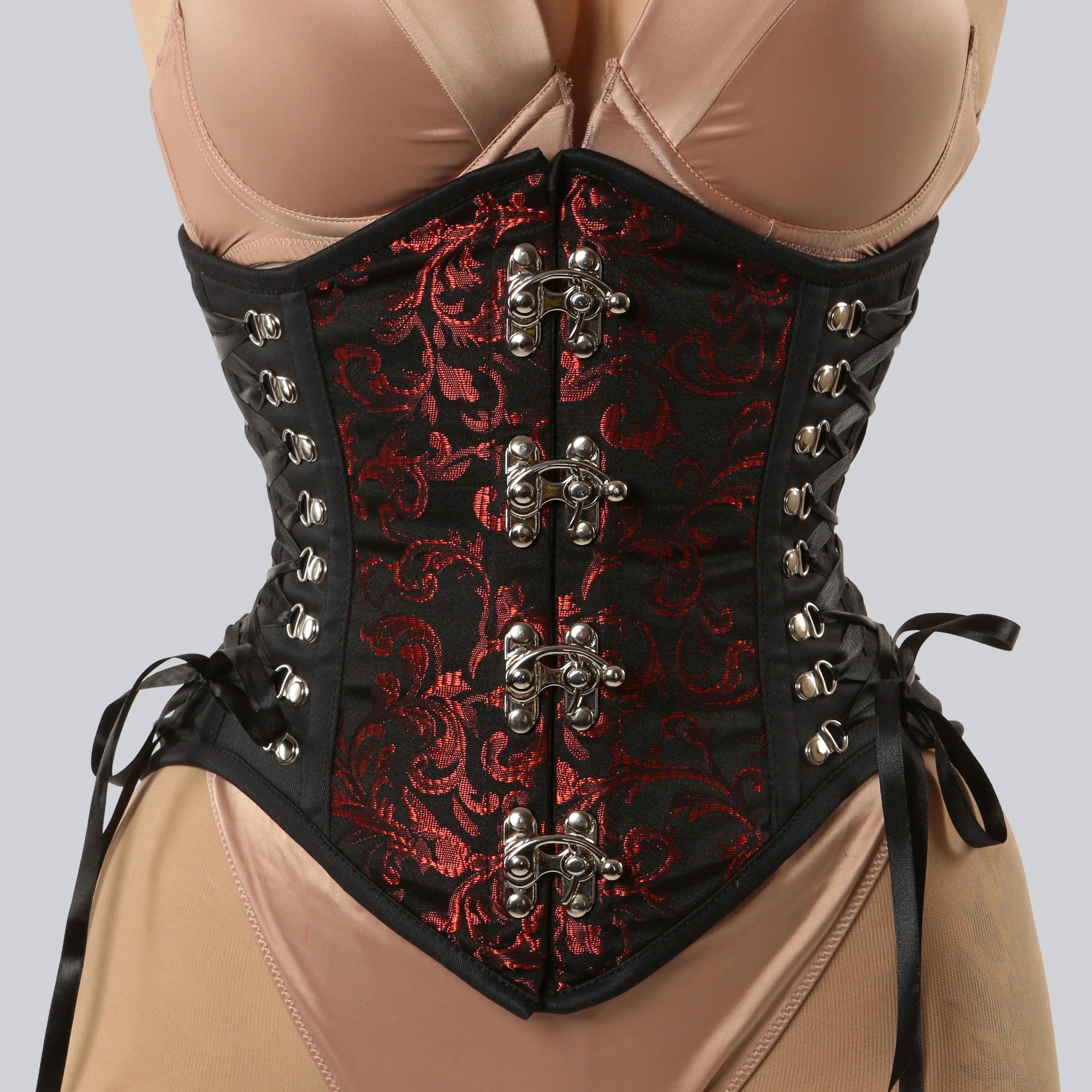


Corsets have made a major comeback in recent years, becoming a trendy accessory for everything from waist training to fashion statements. If you’re considering purchasing a corset, you’ve likely encountered the debate between steel boned corsets and plastic boned corsets. Which one is right for you? In this guide, we’ll explore the key differences, benefits, and factors to consider when choosing between these two popular types of corsets.
What Are Steel Boned Corsets?

Steel boned corsets are designed with rigid steel strips to provide structure and support. These steel strips are usually inserted in several vertical channels along the corset, ensuring it maintains its shape and provides optimal support. If you're unsure about how to find the perfect fit for a steel boned corset, refer to our comprehensive corset sizing guide, which helps you measure and choose the right corset for your body type.
Key Features of Steel Boned Corsets:
- Corset Structure: Steel boned corsets are typically firmer and more rigid compared to plastic boned alternatives, offering superior waist control and support. This rigidity makes them ideal for individuals seeking more intense shaping and contouring.
- Corset Support: These corsets provide superior support for your posture and torso, making them a go-to option for waist training and achieving a defined hourglass figure. The firm structure encourages correct posture and spinal alignment, which can benefit your overall back health.
- Corset Durability: Steel boned corsets are known for their long-lasting durability. With proper care, they can last for years, making them a worthy investment for those serious about waist training or those looking for a high-quality corset. Unlike plastic boned corsets, steel offers greater resistance and lasting wear.
- Posture Correction: Due to their firm construction, steel boned corsets are excellent for posture correction. The structure of the corset naturally supports the back and encourages better alignment, making them a great choice for individuals seeking to improve spinal posture or correct slouching.
According to experts in the field of corsetry, steel boned corsets are the gold standard for waist training and posture correction. Their robust construction not only helps shape the body but also provides long-term support for those looking to improve their overall body alignment.
What Are Plastic Boned Corsets?

Plastic boned corsets use flexible plastic strips to provide shape and structure. These corsets are typically lighter and more comfortable than their steel boned counterparts, making them ideal for those who prefer a gentler approach to shaping.
Key Features of Plastic Boned Corsets:
- Corset Flexibility: Unlike steel boned corsets, plastic corsets are more flexible and lightweight. This flexibility allows for moderate shaping without restricting movement. They’re an excellent choice for individuals looking for mild waist shaping or a comfortable fit for everyday wear.
- Comfortable Corsets: Due to their flexible nature, plastic boned corsets are generally more comfortable for long wear compared to steel corsets. The lightweight design makes them suitable for those new to corsetry or those seeking a corset that can be worn for extended periods without discomfort.
- Plastic Corsets for Waist Training: While plastic corsets are not as effective as steel corsets for extreme waist training, they can still be used for gentle waist shaping. These corsets are perfect for individuals looking for a stylish accessory that enhances the waistline without the intensity of traditional waist training.
- Plastic Corset Benefits: Plastic boned corsets are generally more affordable than steel boned options. They’re ideal for casual wear and daily use, offering a more budget-friendly solution for those who want the aesthetic of a corset without the commitment of rigorous waist training.
However, if you're unsure whether you're wearing the right size, it’s essential to make sure that your corset fits properly. If you find that your corset feels uncomfortable or doesn't provide the desired shaping, you might be wearing the wrong corset size. This guide will help you determine if you need to adjust your fit for optimal comfort and support.
Steel Boned Corsets vs Plastic Boned Corsets - Key Differences
When choosing between steel boned corsets and plastic boned corsets, it’s essential to understand the key differences:
Corset Construction Differences:
- Steel Boned: Strong, firm, and ideal for waist training. Steel boned corsets are designed to hold their shape firmly, providing structure and support that allows for serious waist shaping.
- Plastic Boned: Flexible, light, and suitable for comfort and casual wear. These corsets offer a gentler fit and are perfect for individuals who want light shaping and ease of movement.
Corset Support Comparison:
- Steel Corsets: Provide superior support for waist shaping and posture correction. Steel boned corsets are a great choice for waist training and achieving a more defined hourglass figure, offering firm control and alignment support.
- Plastic Corsets: Offer moderate support and flexibility for a more relaxed fit. While they won’t provide the same level of shaping or posture correction as steel, they’re ideal for everyday comfort.
Durability of Steel vs Plastic Corsets:
- Steel Corsets: Long-lasting, durable, and a better investment for waist training. With proper care, these corsets can last for many years, making them a solid choice for those committed to waist training or posture improvement.
- Plastic Corsets: More affordable but less durable. While they may not stand up to intense waist training, they are perfect for light shaping and casual wear.
If you are serious about waist training, understanding the pros and cons of corset waist training can help you determine if steel boned corsets are the right choice for your goals.
How to Choose Between Steel Boned and Plastic Boned Corsets

Choosing between steel boned and plastic boned corsets depends on your specific needs and preferences. Here are some key factors to consider:
Purpose:
- Steel Boned Corsets: Ideal for waist training, posture correction, and those seeking intense shaping. If your goal is to achieve a dramatic hourglass figure or improve your posture, steel boned corsets provide the firm support needed.
- Plastic Boned Corsets: Best for casual wear and light shaping. If you’re looking for a corset for fashion or want something comfortable for long periods, plastic boned corsets are a great option.
Comfort:
- Steel Boned Corsets: Though they provide superior support, they can feel restrictive for long periods, especially for beginners. If you’re looking for something to wear all day, a steel corset may not be as comfortable unless you’re specifically training your waist.
- Plastic Boned Corsets: These are more comfortable for everyday wear. They are light and flexible, making them easier to wear for longer periods without discomfort. If comfort is a priority, plastic corsets are the better choice.
Budget:
- Steel Boned Corsets: While more expensive, steel boned corsets provide long-term value due to their durability. They are a great investment for waist training and posture correction, as they last for years with proper care.
- Plastic Boned Corsets: More affordable, plastic corsets are ideal for those on a budget who want something for light shaping or fashion. They may not last as long as steel corsets, but they offer a more cost-effective solution for casual wear.
How Do Steel Boned and Plastic Boned Corsets Affect Your Body?
Both steel boned and plastic boned corsets have different impacts on your body shape and posture. Here’s a breakdown of how each type affects your body:
Steel Boned Corsets:
- Aggressive Waist Shaping: Steel corsets provide more aggressive waist shaping by offering firm control over your waistline. They’re especially effective for those committed to waist training and achieving a dramatic hourglass figure.
- Better Back Support: Steel boned corsets offer superior back support, making them a great choice for individuals looking to improve their posture or who suffer from back pain. The firm structure also encourages spinal alignment.
- Posture Correction: Due to their rigidity, steel corsets are excellent for posture correction, helping you maintain a straight back and reducing the tendency to slouch.
Plastic Boned Corsets:
- Gentle Waist Shaping: While not as effective for extreme waist training, plastic corsets provide a gentler fit and mild waist shaping. They’re ideal for casual wear and individuals who prefer comfort over extreme shaping.
- Comfortable for Long Wear: Plastic corsets are flexible and lightweight, offering a more comfortable fit for long-term use. They gently shape the body without causing discomfort, making them a great option for those new to corsets or those who want something easy to wear.
- Posture Support: Though they provide moderate support, plastic corsets are still effective for improving posture in a more relaxed way, perfect for individuals who aren’t looking for heavy shaping but still want support for their back.
Quick Tips for Choosing the Right Corset:
- If you’re looking for serious waist shaping or posture correction, steel boned corsets are your best option.
- For everyday wear and gentle shaping, plastic boned corsets are more comfortable and affordable.
Are Steel Boned Corsets More Expensive? Should You Pay More for Steel?

Steel boned corsets tend to be more expensive than plastic boned corsets due to the materials and craftsmanship involved. However, they offer superior durability and provide better waist shaping, which may justify the higher cost for those serious about waist training or corsetry.
Should You Pay More for Steel?
Pros of Steel Boned Corsets:
- Better Support: Steel corsets provide firm support for waist shaping and posture correction.
- Durability: Steel boned corsets are long-lasting and, with proper care, can last for years, making them a great investment for those committed to waist training or long-term use.
- Long-Term Investment: Despite the higher initial cost, steel boned corsets are more durable than plastic alternatives, meaning they offer better value over time.
Cons of Steel Boned Corsets:
- Higher Initial Cost: Steel boned corsets have a higher upfront cost, which can be a deterrent for those on a budget.
- Less Comfortable for Daily Wear: They may feel restrictive or less comfortable for long-term or daily wear, especially for beginners. However, with proper adjustment and fitting, this discomfort can be minimized over time.
Are Plastic Boned Corsets Less Effective for Waist Training?
Plastic boned corsets are generally less effective for waist training because they don’t provide the same level of shaping and support as steel boned corsets. Here’s why:
Why Plastic Boned Corsets Are Less Effective:
- Flexibility: Plastic corsets are more flexible and lightweight, offering gentle shaping but lacking the rigidity required for serious waist training. This makes them better suited for light waist shaping or fashion rather than extreme waist reduction.
- Moderate Support: While plastic corsets offer moderate support, they don’t provide the firm compression necessary for long-term waist training or achieving significant waist reduction. Steel corsets, on the other hand, offer firmer support and are better for long-term shaping.
What Plastic Boned Corsets Are Ideal For:
- Gentle Waist Shaping: Plastic boned corsets are perfect for those looking for mild waist shaping. They can be worn casually or for short periods to achieve a light, shapely figure.
- Fashion Accessories: These corsets are often used as part of fashion rather than waist training. They can enhance outfits and create a smooth, stylish silhouette without the discomfort of a steel corset.
Quick Tip: If you're new to corsets or looking for something comfortable for daily wear, plastic boned corsets offer a gentler alternative to steel boned corsets.
Can You Wear Steel Boned Corsets Every Day?

Yes, steel boned corsets can be worn daily, but they may not be as comfortable as plastic boned corsets. If you plan to wear your corset every day, consider the following tips to make it more comfortable for long-term wear:
Key Features for Comfortable Daily Wear:
- Adjustable Lacing: Steel boned corsets with adjustable lacing allow you to customize the fit, ensuring it’s comfortable throughout the day. You can loosen or tighten the laces as needed for a more comfortable experience.
- Comfortable Padding: Look for corsets that have padding in key areas such as the waist or hips to reduce pressure and improve comfort for long periods of wear.
While steel corsets provide excellent support and waist shaping, they can feel restrictive if worn for long periods. To make daily wear more comfortable, it’s important to:
- Break in your corset gradually.
- Avoid over-tightening the laces, which can lead to discomfort or pressure on your ribs.
Quick Tip: If you’re new to steel boned corsets, start by wearing them for shorter periods and gradually increase wear time to allow your body to adjust.
How to Style Steel Boned and Plastic Boned Corsets for Different Occasions
Corsets can be styled in many ways, whether you’re going for a vintage look, casual wear, or a formal event. Here’s how you can style steel boned and plastic boned corsets for different occasions:
Steel Boned Corsets:
- Perfect for Formal Occasions or Waist Training: Steel boned corsets provide a structured silhouette, making them ideal for more formal settings or when waist shaping is a priority.
Outfit Ideas:
- Pair with a sleek dress or A-line skirt for a vintage-inspired look. A long flowing skirt can accentuate the hourglass shape created by the corset.
- Wear over a blouse for a classic corset-over-top look, creating a structured, elegant outfit suitable for formal events.
Accessories: Complement your steel corset with a choker, long gloves, or heels for a complete vintage or formal style.
- Quick Tip: When styling steel boned corsets, ensure they’re properly laced to achieve the perfect fit. If you're unsure how to get it right, check out this guide on how to lace a corset for expert tips.
Plastic Boned Corsets:
- Ideal for Casual Wear: Plastic boned corsets are more flexible and comfortable, making them perfect for everyday wear or a more casual look.
Outfit Ideas:
- Pair with a t-shirt and high-waisted jeans for a trendy yet comfortable look that adds a touch of structure to casual wear.
- For a more feminine outfit, combine with a skirt or shorts to enhance your waistline while keeping the look relaxed.
Accessories: Consider adding a light jacket, chunky jewelry, or a wide-brimmed hat to add flair to your corset outfit.
- Quick Styling Tip: Corsets are not just for formal wear! With the right outfit, they can be an essential part of your everyday wardrobe or a fun fashion statement for casual occasions.
Customer Reviews - What Do People Say About Steel and Plastic Boned Corsets?

Customer feedback is essential when choosing between steel boned and plastic boned corsets. Here’s what customers are saying:
Steel Boned Corsets:
- Pros: Customers rave about the support, comfort, and durability, especially for waist training. Many users report that steel boned corsets provide a structured fit and are great for achieving an hourglass figure.
- Cons: Some users report that they initially felt stiff, but after breaking them in, they became more comfortable. For some, the firm structure can feel restrictive for daily wear.
Plastic Boned Corsets:
- Pros: Plastic boned corsets are often praised for their lightweight feel and comfort, making them a popular choice for beginners or those looking for something easy to wear daily. They are flexible, offering a more relaxed fit.
- Cons: Reviews often mention that while plastic corsets are great for mild waist shaping, they are not as effective for serious waist training and may not provide as much support as steel corsets.
Quick Tip: If you’re new to corsetry, plastic boned corsets might be the best choice for everyday wear, while steel boned corsets are better for those committed to waist training and posture correction.
Common Myths About Steel and Plastic Boned Corsets - Debunked!
There are many myths about corsets that need debunking. Here are two common ones:
Myth 1 - Steel corsets are too uncomfortable for everyday wear.
- Truth: While steel corsets can feel stiff initially, they can be made comfortable with the right fit and adjustments. Many corset wearers report that after breaking in their corset, they became much more comfortable, even for long-term wear.
Myth 2 - Plastic corsets are ineffective for waist training.
- Truth: While plastic corsets offer gentler shaping, they are still effective for light waist shaping or as a fashion accessory. Plastic corsets are perfect for those who want a comfortable corset for casual wear or beginners who are just starting with waist shaping.
Quick Tip: Corsets are not only for waist training. They can also serve as stylish fashion accessories that add structure to your outfits while offering mild shaping.
How Long Do Steel Boned and Plastic Boned Corsets Last?
The lifespan of steel boned and plastic boned corsets depends on usage, care, and material strength:
Steel Boned Corsets:
- Lifespan: With proper care, steel boned corsets can last years, making them a good long-term investment for those committed to waist training or posture correction.
- Care Tips: To maximize the lifespan of your steel corset, always hand wash it gently and air dry. Store it flat to avoid warping the steel bones. Avoid over-tightening to prevent strain on the material.
Plastic Boned Corsets:
- Lifespan: Plastic boned corsets typically last one to two years, depending on how often they are worn and how they are cared for.
- Care Tips: To extend the life of your plastic corset, store it in a cool, dry place when not in use. Avoid over-tightening to preserve the flexibility of the plastic bones.
Quick Tip: To get the most out of your corset, make sure to follow proper care guidelines and wear it responsibly to ensure it lasts as long as possible. If you're unsure about the best way to maintain your corset, check out this detailed guide on how to wash a corset for expert tips.
How Do Steel Boned and Plastic Boned Corsets Feel When Worn for Long Periods?

Both steel boned and plastic boned corsets feel different when worn for extended periods. Here’s how each one compares:
Steel Boned Corsets:
- Restrictive Feel: Steel boned corsets may feel restrictive for long hours, especially for beginners. The firm structure can feel tight at first, but with proper adjustments and breaking in, they become more comfortable.
- Better Support and Shaping: While they can feel stiff initially, steel corsets offer superior support and waist shaping, making them ideal for waist training and posture correction over time.
Plastic Boned Corsets:
- Comfortable for Long Wear: Plastic corsets are more flexible and comfortable for long wear, offering gentle shaping without restricting movement. They are an excellent choice for those looking for a corset to wear daily or for casual use.
- Flexible and Lightweight: Plastic corsets are lightweight and gentle on the body, making them easier to wear for extended periods. However, they don’t provide the same level of support or shaping as steel corsets.
Quick Tip: If you’re new to corsets, plastic boned corsets might be a more comfortable starting point, while steel boned corsets may require some break-in time before they feel comfortable for daily wear.
Can Steel Boned Corsets Be Adjusted for Size? What About Plastic Boned Corsets?
Steel Boned Corsets:
- Adjustable Fit: Steel boned corsets are typically adjustable through lacing. This allows you to fine-tune the fit throughout the day, making them perfect for waist training or those who want to gradually tighten the corset as they achieve their desired shape.
- Key Benefit: The lacing in steel boned corsets enables you to adjust the tightness based on your comfort level, providing a customized fit. This is especially helpful for long-term wear and waist training.
Plastic Boned Corsets:
- Limited Adjustment: Plastic boned corsets are usually pre-shaped and offer limited size adjustments. They tend to be more fixed in terms of fit, so they’re less customizable than steel corsets.
- Key Benefit: While not adjustable, plastic corsets offer a comfortable and relaxed fit for those who don’t need significant waist shaping or tightening. These are great for beginners or those looking for a casual corset to wear without needing to adjust it.
Quick Tip: When buying a corset, make sure you measure your waist and underbust correctly. If you're opting for a steel boned corset, ensure that the size is correct for comfort, as the lacing allows for adjustment.
Which Corset Is Best for Beginners - Steel Boned or Plastic Boned?

For beginners, plastic boned corsets are generally the better choice. Here’s why:
Plastic Boned Corsets:
- Easier to Wear: Plastic corsets are typically lightweight and more flexible, offering a gentler fit for those new to corsetry. They don’t require as much break-in time and are comfortable to wear for extended periods.
- Comfortable and Beginner-Friendly: These corsets offer a less restrictive fit, making them perfect for beginners who might find steel corsets too tight or stiff at first.
- Great for Fashion or Light Shaping: Plastic corsets are ideal for those looking for a casual corset or mild waist shaping, making them a versatile choice for day-to-day wear.
Steel Boned Corsets:
- Best for Waist Training and Posture Correction: Steel corsets offer superior support and shaping, making them great for those who are serious about waist training. However, they can be restrictive and less comfortable for long wear, especially for beginners.
- Transition to Steel Corsets: Once you’re comfortable with wearing corsets, you may choose to move to steel boned corsets for more intensive waist shaping and posture correction.
Quick Tip: If you’re new to corsetry, start with a plastic boned corset for ease and comfort. When you’re ready for more structured shaping, consider transitioning to steel boned corsets.
Are There Any Alternatives to Steel Boned or Plastic Boned Corsets?
Yes, latex corsets and neoprene waist trainers are popular alternatives to traditional steel and plastic boned corsets. Here’s why:
Latex Corsets:
- Comfortable and Flexible: Latex corsets are more flexible and breathable than steel boned corsets, making them a more comfortable option for long wear. They are ideal for those looking for mild waist shaping or a corset to wear casually.
- Pros: Flexible, breathable, comfortable for extended wear
- Cons: Less support and shaping than steel corsets, not ideal for intense waist training
Neoprene Waist Trainers:
- Ideal for Exercise and Light Shaping: Neoprene waist trainers are popular for exercise and light waist shaping. They are lightweight, making them comfortable for daily use or for people new to waist training.
- Pros: Lightweight, ideal for exercise, comfortable for daily use
- Cons: Limited shaping and support compared to steel corsets
Quick Tip: If you're looking for a more flexible and comfortable corset for everyday wear or mild waist shaping, consider latex corsets or neoprene waist trainers. These alternatives offer ease of use while still providing light shaping.
Conclusion:
When deciding between steel boned and plastic boned corsets, consider your needs, comfort level, and budget. Here’s a quick summary:
- Steel Boned Corsets: Best for waist training, posture correction, and long-term support. They are more restrictive but offer superior shaping and durability.
- Plastic Boned Corsets: Perfect for casual wear or beginners. They offer a lighter, more flexible fit and are comfortable for daily use, though they provide gentler shaping.
If you're just starting with corsets, plastic boned corsets may be the best choice. For those serious about waist training or needing posture correction, steel boned corsets are the way to go.
Frequently Asked Questions (FAQS)
1. Can I Wear a Corset Every Day?
Yes, you can wear a corset daily. Plastic boned corsets are more comfortable for everyday wear, while steel boned corsets can be worn with proper adjustments and break-in time.
2. How Do I Know Which Size Corset to Choose?
To choose the right size, measure your waist and underbust. Follow the size guide provided by the brand to ensure a comfortable and effective fit based on your measurements.
3. Can Corsets Be Worn Under Clothing?
Yes, both steel and plastic boned corsets can be worn under clothing. Plastic boned corsets are more comfortable and discreet for daily wear, while steel corsets provide structure.
4. How Long Should I Wear a Corset Each Day for Waist Training?
Start with 2-4 hours a day and gradually increase wear time as your body adjusts. Over time, you can wear a corset for 6-8 hours a day, depending on comfort and goals.
5. Can I Exercise While Wearing a Corset?
While steel boned corsets may limit movement, plastic boned corsets or neoprene waist trainers are more comfortable for light exercise, helping with waist shaping during workouts.
6. Are Corsets Safe for My Health?
Corsets are safe when worn correctly and fit properly. Steel boned corsets improve posture, but don’t over-tighten. Always listen to your body, and take breaks if needed.
7. How Do I Care for My Corset to Make It Last?
To extend your corset’s life, hand wash and air dry steel boned corsets. Plastic boned corsets should be stored flat and cleaned as needed to preserve shape and flexibility.


